The Myth That Every Ride Needs a Training Plan
A training plan can sharpen a cycling session, but not every ride needs one. Learn when to structure effort and when to leave the numbers behind.
Does every bicycle ride need a training plan? No. A training plan is useful when you want to practise something specific; it is unnecessary baggage on a trip to the shops or an unhurried ride with a friend.
The distinction is practical, not moral. One ride may be for steady climbing, another for getting across town. Treating both as sessions can make a simple journey feel like homework.
What should a planned ride help you practise?
A useful session has an aim you can name before setting off: keeping your effort even on a familiar climb, practising smooth braking on a quiet road, or riding easily while you recover. Choose a route and a level of attention that suit that aim.
Keep the measures limited to what helps. A cycle computer may be useful for checking pace on a steady section; it adds little if the point is to practise looking ahead and braking smoothly. The road remains more interesting than the display.
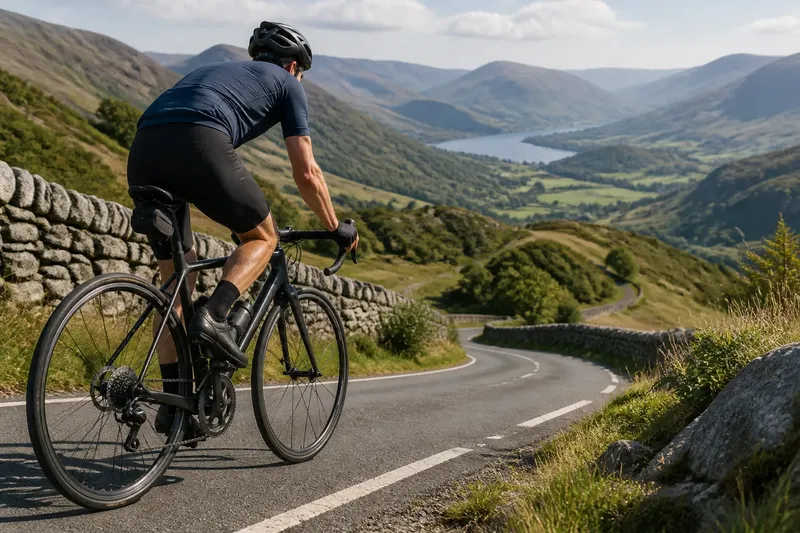
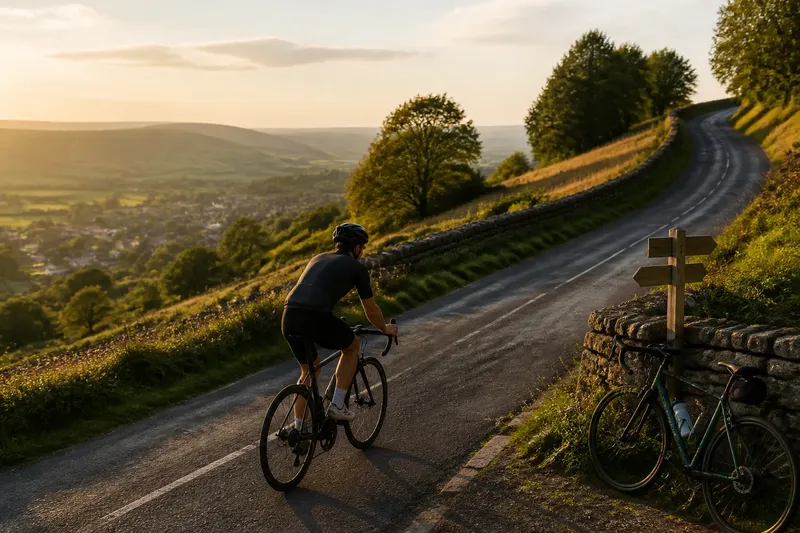
Say you have set aside a ride to practise climbing. Your starting point is a familiar hill and a plan to keep the effort steady, not to chase a particular time. You warm up on the approach, ride the hill with that focus, then note whether your effort felt even. The result is a clear observation about your pacing, without needing a speed comparison.
When does a commute or social ride need no target?
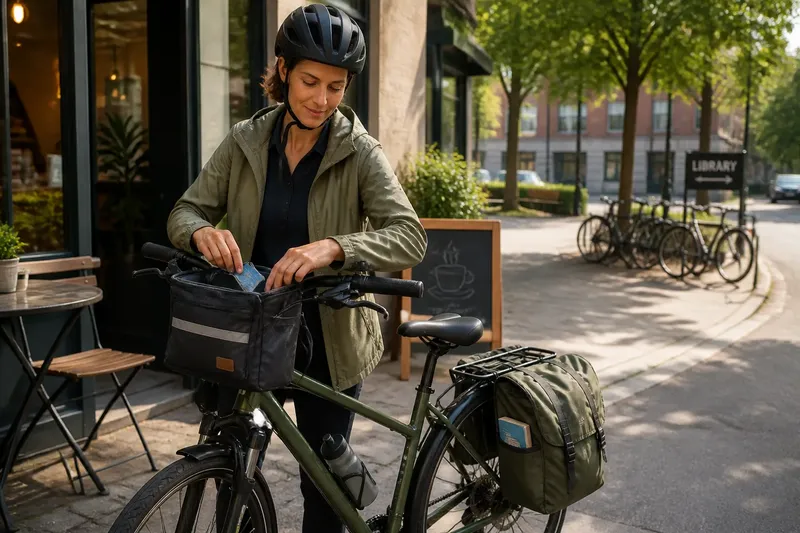
A commute has a destination, traffic and an arrival to manage. An errand may involve a lock, a bag and an awkward stop. A social ride may be worthwhile because of the company. Adding a training target can complicate these ordinary purposes without improving them.
Tracking can also draw attention away from the ride itself. If a detour to a market or a conversation with a neighbour is part of the outing, recording it as lost time misses the point. A kitchen timer is useful when a task needs timing; carrying it around the house and timing every quiet moment would be odd.
How do you choose a ride’s purpose before leaving?
- Check whether you can name a skill to practise; if you can, plan a focused session, and if you cannot, leave the ride open or choose a destination.
- Check whether you have a fixed arrival or errand to complete; if you do, allow for traffic and practical stops, and if you do not, choose a route for the ride itself.
- Check whether a device will help you notice something relevant; if it will, use only the useful display, and if it will distract you, put it away.
- Check whether company is the main purpose; if it is, agree a comfortable outing with your companions, and if it is not, choose a solo route or session that suits your aim.
- Check whether you would still value the ride without a record; if you would, ride without a target, and if not, decide what specific information you want to collect.
- Check whether you feel able to do the planned effort and the route is suitable; if both are true, proceed with the session, and if either is not, choose an easier route or an unstructured outing.
Which questions help you choose a training plan?
Do I want to practise a specific skill?
If you can name a skill, such as steady climbing or smooth braking, a planned session can keep your attention on it. Use a suitable place where traffic and other conditions allow you to focus safely.
Am I riding somewhere or for a particular effort?
A commute or errand has practical constraints, while a training session has a practice aim. If both apply, give priority to arriving safely and on time rather than forcing the journey to serve as a workout.
Would a device help me notice something useful?
A cycle computer or watch can help with a defined task, but it need not be active on every ride. If checking it would distract you from the road or your companions, leave it tucked away.
What would make this ride worthwhile without a record?
Perhaps it is reaching a friend, taking a quieter street or getting some fresh air. If that is enough, there is no need to add a training target.
How can planned sessions fit alongside ordinary rides?
Give a session a clear purpose and let other outings keep theirs. You might describe one ride as “steady climbing”, another as “ride with Sam”, and a third as “pick up groceries”. Plain words make the differences clear without turning a week into a spreadsheet.
Imagine a rider, Alex, has planned a steady-climbing session but wakes to feel unusually tired. The starting inputs are the familiar hill, the intended practice aim and that change in how Alex feels. Alex chooses a gentler local loop instead, rides comfortably and makes no pace comparison; the resulting decision is to postpone the climbing practice rather than force it. The trade-off is a missed session in exchange for a ride better suited to the day.
A training plan should help you practise, not oblige you to ignore how you feel or what the road demands. If a coach’s programme or a health concern affects your riding, ask a qualified professional how general advice applies to you.
For a training plan, choose a narrow aim and record only what helps you judge it. For other rides, a destination, a conversation or a pleasant route is a complete reason to set off. That choice leaves room for the bicycle to be useful in more than one way.